

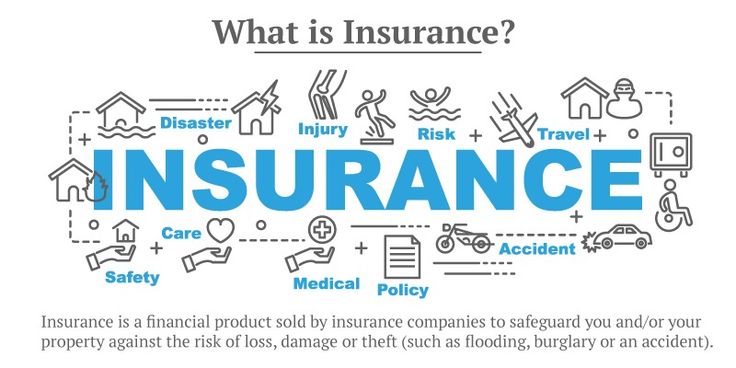
Insurance plays a quiet but powerful role in modern life. It protects individuals, families, and businesses from financial shocks that could otherwise derail long-term plans. From healthcare costs to property damage, insurance transforms uncertainty into manageable risk.
This guide breaks down insurance in clear terms, helping you understand its purpose, structure, and real-world value.
What Is Insurance?
Insurance is a financial agreement in which one party pays a regular amount, known as a premium, to receive protection against specific losses. In return, the insurer agrees to compensate the policyholder if a covered event occurs.
At its core, insurance is about risk sharing. Many people contribute small amounts so that the few who experience losses are not financially overwhelmed.
How Insurance Works in Practice
Insurance follows a simple but structured process:
- You choose a policy based on your needs
- You pay premiums monthly, quarterly, or annually
- A covered loss occurs (such as an accident or illness)
- You file a claim with supporting documentation
- The insurer evaluates and pays according to policy terms
Key components you’ll encounter include deductibles, coverage limits, and exclusions, all of which shape how much protection you actually receive.
Major Types of Insurance
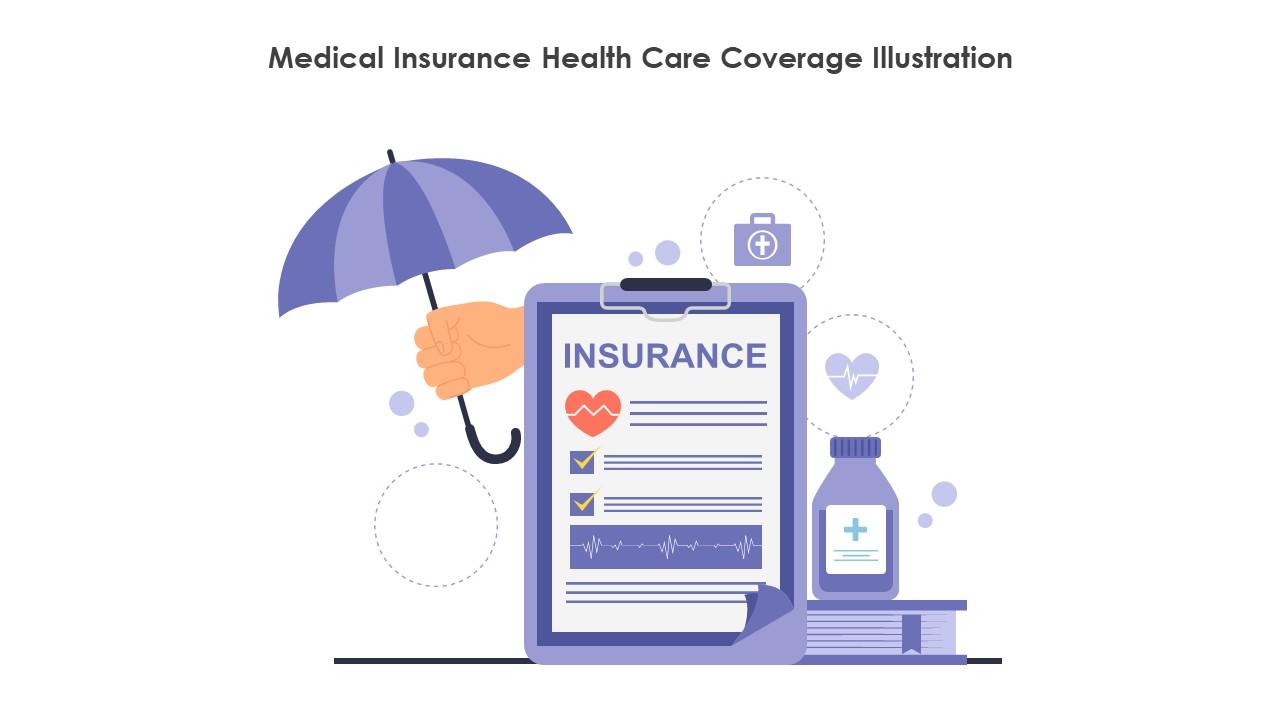
Insurance policies are designed to address different areas of risk. The most common categories include:
Health Insurance
Covers medical expenses such as doctor visits, hospital stays, medications, and preventive care. It reduces the financial burden of both routine and unexpected health needs.
Life Insurance
Provides financial support to beneficiaries after the policyholder’s death. It is often used to replace income, cover debts, or fund long-term goals like education.
Auto Insurance
Protects against losses related to vehicle ownership, including accidents, theft, and liability for injuries or property damage.
Home and Property Insurance
Safeguards homes, rental properties, and personal belongings against risks like fire, storms, and theft.
Business Insurance
Helps companies manage operational risks, including liability claims, employee injuries, and property damage.
Why Insurance Is Essential
Insurance is not just a legal requirement in some cases; it is a strategic financial tool.
Key benefits include:
- Financial stability during emergencies
- Protection of long-term savings and assets
- Peace of mind for individuals and families
- Support for business continuity
Without insurance, a single unexpected event can undo years of careful planning.
How to Choose the Right Insurance Policy
Selecting the right policy requires more than comparing prices. A thoughtful approach includes:
- Assessing your risks based on lifestyle, dependents, and assets
- Understanding coverage details, not just premiums
- Reviewing deductibles and limits to avoid surprises
- Checking claim settlement reputation and customer service quality
A well-chosen policy balances affordability with meaningful protection.
Common Insurance Mistakes to Avoid
Even experienced buyers can make costly errors. Watch out for these pitfalls:
- Underinsuring to save on premiums
- Ignoring exclusions and waiting periods
- Failing to update policies after life changes
- Choosing coverage based solely on price
Being proactive and informed makes insurance far more effective.
The Future of Insurance
Technology is reshaping insurance through data analytics, automation, and digital platforms. Faster claims processing, personalized pricing, and improved customer experience are becoming standard. At the same time, emerging risks like cyber threats and climate-related losses are expanding the scope of coverage options.
Frequently Asked Questions (FAQ)
1. How often should insurance coverage be reviewed?
Ideally, coverage should be reviewed annually or after major life events such as marriage, relocation, or career changes.
2. Can multiple insurance policies overlap?
Yes, overlapping coverage can occur, but it may lead to unnecessary costs without additional benefits.
3. What happens if a premium payment is missed?
Most policies offer a grace period, after which coverage may lapse if payment is not made.
4. Are all losses automatically covered by insurance?
No, only losses explicitly included in the policy terms are eligible for claims.
5. How does a deductible affect a claim?
A deductible is the amount you pay out of pocket before insurance coverage begins.
6. Is insurance useful for short-term needs?
Yes, certain policies are designed for temporary coverage, such as travel or short-term health insurance.
7. Does a higher premium always mean better coverage?
Not necessarily. Coverage quality depends on policy terms, limits, and exclusions—not just cost.
Insurance is most effective when it is understood, reviewed regularly, and aligned with real-world needs. With the right approach, it becomes a foundation for financial confidence rather than just another expense.

Comments are closed.